


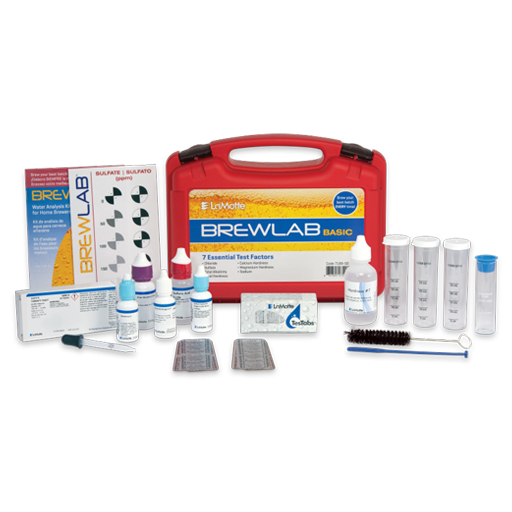
BrewLab® Basic Water Analysis Kit for Home Brewers
Understand Your Brewing Water Before Adjusting a Recipe
The LaMotte BrewLab® Basic is best suited for home brewers who want to measure the mineral composition of their source water before mashing, adding brewing salts or modifying a water profile. The kit evaluates seven water-quality factors that can influence mash chemistry, fermentation, flavor balance and the ability to reproduce a successful beer recipe.
Designed specifically for brewing applications, the BrewLab® Basic is useful for home breweries, beer clubs, brewing courses, recipe-development workshops and small pilot brewing systems. It provides a more complete picture than single-parameter strips while avoiding the cost and complexity of laboratory instrumentation. All required tests are organized in a portable case, and the procedures use visual titration, turbidity comparison and calculation methods that can be performed without previous laboratory experience.
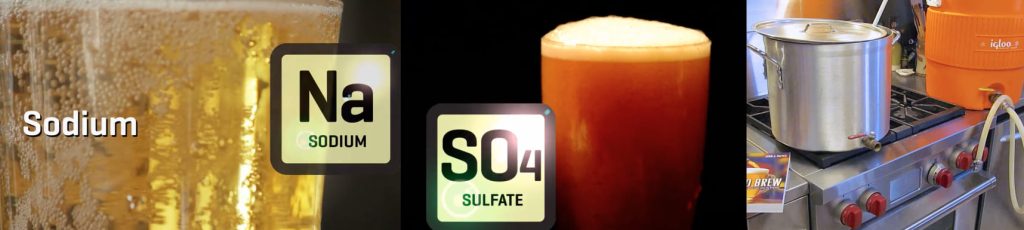
Test Seven Essential Brewing-Water Factors
- Chloride
- Sulfate
- Alkalinity
- Total hardness
- Calcium hardness
- Magnesium hardness
- Sodium
Make Better Beer by Understanding Your Water
Evaluate Water Before Brew Day
Water makes up most of the finished beer, yet its mineral composition can vary considerably between municipal systems, private wells and filtered-water sources. Testing the starting water gives the brewer a reliable basis for deciding whether dilution, acidification or mineral additions may be appropriate for a particular recipe.
Support More Repeatable Brewing Results
Municipal treatment practices and natural water sources can change throughout the year. Periodic testing helps identify these variations before they affect the mash or finished beer. Recording the results also makes it easier to recreate a successful water profile in later batches.
Match Water Chemistry to the Beer Style
Different styles benefit from different mineral balances. A brewer may want a softer profile for a delicate lager, greater sulfate emphasis for a hop-forward beer or more chloride influence for a fuller malt character. The BrewLab® Basic supplies the measurements needed to make these adjustments from known starting values rather than estimates.
Why Each Water Parameter Matters
Chloride
Chloride can contribute to the perception of fullness, roundness and malt sweetness. Measuring the existing concentration helps the brewer avoid unnecessary additions and maintain an appropriate balance with sulfate.
Sulfate
Sulfate can influence the perception of hop bitterness and dryness. Knowing the starting concentration is particularly useful when preparing water for pale ales, IPAs and other hop-focused styles.
Alkalinity
Alkalinity indicates the water’s capacity to resist changes in pH. Water with high alkalinity may require treatment before brewing pale beers, while some darker grain bills can tolerate or benefit from a greater buffering capacity.
Total Hardness
Total hardness reflects the combined contribution of calcium and magnesium compounds in the water. These minerals participate in several reactions during mashing and fermentation, making hardness an important part of the overall brewing-water profile.
Calcium Hardness
Calcium supports mash enzyme performance, yeast flocculation and beer stability. Measuring calcium hardness helps the brewer determine whether additional calcium salts may be needed.
Magnesium Hardness
Magnesium is calculated from the total-hardness and calcium-hardness results. In moderate concentrations, it can serve as a yeast nutrient, while excessive levels may contribute unwanted flavor characteristics.
Sodium
Sodium is calculated using the other measured values. At appropriate concentrations, it may enhance body and malt character, but excessive sodium can create salty or metallic flavors.
Simple Test Methods for Home Brewing
The BrewLab® Basic combines direct-reading titration and turbidimetric testing. Chloride, alkalinity, total hardness and calcium hardness are determined through titration procedures. Sulfate is measured by comparing the cloudiness of the treated sample with a calibrated scale. Magnesium hardness and sodium are then calculated from the measured results.
The included instructions guide the brewer through sample preparation, reagent addition, endpoint recognition and result calculation. Because the kit was developed around brewing-water parameters, the results can be transferred into compatible brewing-water calculators when planning mineral additions.
Typical Applications
- Testing municipal tap water before brewing
- Evaluating private well water
- Checking filtered or reverse-osmosis water blends
- Planning brewing-salt additions
- Comparing seasonal changes in a water supply
- Developing water profiles for different beer styles
- Supporting home-brewing classes and demonstrations
- Testing water for small pilot batches
Benefits
- Measures seven parameters relevant to brewing
- Developed specifically for home brewers
- Helps reduce guesswork when modifying water chemistry
- Supports more consistent batch-to-batch results
- Uses straightforward visual test procedures
- Does not require laboratory instrumentation
- Includes approximately 50 or more tests for most measured parameters
- Organized in a portable storage case
- Suitable for both beginning and experienced brewers
Specifications
| Manufacturer | LaMotte |
|---|---|
| Product line | BrewLab® |
| Model / order code | 7189-02 |
| Intended application | Water analysis for home brewing |
| Number of water-quality factors | 7 |
| Chloride test method | Direct-reading titration |
| Chloride resolution | 1 drop equals 10 or 25 ppm, depending on the procedure |
| Approximate chloride test capacity | 80 tests |
| Sulfate test method | Turbidimetric |
| Sulfate range | 0 to 200 ppm sulfate |
| Approximate sulfate test capacity | 50 tests |
| Alkalinity test method | Direct-reading titration |
| Alkalinity range | 0 to 200 ppm and higher as CaCO3 |
| Approximate alkalinity test capacity | 50 tests at 200 ppm |
| Total-hardness test method | Direct-reading titration |
| Total-hardness range | 0 to 200 ppm and higher as CaCO3 |
| Approximate total-hardness test capacity | 50 tests at 200 ppm |
| Calcium-hardness test method | Direct-reading titration |
| Calcium-hardness range | 0 to 200 ppm and higher as CaCO3 |
| Approximate calcium-hardness test capacity | 50 tests at 200 ppm |
| Magnesium-hardness method | Calculated from total hardness and calcium hardness |
| Sodium method | Calculated from the other test results |
| Digital pH meter | Not included |
| Shipping classification | Small-quantity hazardous material |
| Approximate shipping weight | 5 lb |
Choosing Between BrewLab® Basic and BrewLab® Plus
The BrewLab® Basic is appropriate when the main objective is to evaluate the mineral content of the source water. The BrewLab® Plus includes the same basic water-testing capabilities and adds a digital pH meter for monitoring pH during the brewing process. Brewers who already own a suitable pH meter may prefer the more economical Basic kit.
Q&A
What does the BrewLab® Basic Water Analysis Kit measure?
It evaluates chloride, sulfate, alkalinity, total hardness, calcium hardness, magnesium hardness and sodium. The first five parameters are tested directly, while magnesium hardness and sodium are calculated from the measured results.
Does the BrewLab® Basic measure pH?
No. A pH meter is not included with the Basic kit. Brewers who want the same mineral tests plus a digital pH meter should consider the BrewLab® Plus.
Can this kit be used with municipal tap water?
Yes. It can be used to establish the mineral profile of municipal water before brewing. Periodic testing may also reveal seasonal changes in the municipal supply.
Can the BrewLab® Basic test well water?
Yes. The kit can measure the listed brewing parameters in private well water. It is not, however, a microbiological or drinking-water safety test and does not determine whether well water is safe to consume.
Can it be used with reverse-osmosis water?
Yes, although reverse-osmosis water often contains very low mineral concentrations. Testing can help confirm the starting profile before the brewer adds calcium, chloride, sulfate or other brewing minerals.
How many tests can be performed with the kit?
Test capacity depends on the parameter and the concentration present in the sample. LaMotte specifies approximately 80 chloride tests, 50 sulfate tests and approximately 50 tests each for alkalinity, total hardness and calcium hardness when testing water near 200 ppm.
Does the kit provide instant digital readings?
No. The BrewLab® Basic uses visual titration and turbidity procedures rather than electronic sensors. The user adds reagents according to the instructions and determines the result from the titration endpoint or turbidity comparison.
Do the reagents expire?
Water-testing reagents have a finite shelf life and should be stored according to the manufacturer’s instructions. Replace any reagent that has passed its marked expiration date or shows signs of contamination or deterioration.
How often should brewing water be tested?
Test whenever the water source changes, after modifying a filtration or treatment system, and periodically when using a municipal or well supply that may vary seasonally. Brewers seeking highly repeatable recipes may test before each important batch.
Can the results be entered into brewing-water software?
Yes. Results can be entered manually into brewing-water calculators that accept chloride, sulfate, alkalinity, calcium, magnesium, sodium and hardness data. Always confirm the units required by the calculator before entering the values.
Is laboratory experience required?
No. The kit is designed for home brewers and includes step-by-step procedures. Accurate sample measurement, correct reagent handling and careful identification of each test endpoint remain important for dependable results.
Can this kit determine whether water is safe to drink?
No. The BrewLab® Basic is intended to characterize selected minerals relevant to brewing. It does not test for bacteria, pesticides, heavy metals or every contaminant associated with drinking-water safety.
BrewLab® Basic Water Analysis Kit for Home Brewers
Understand Your Brewing Water Before Adjusting a Recipe
The LaMotte BrewLab® Basic is best suited for home brewers who want to measure the mineral composition of their source water before mashing, adding brewing salts or modifying a water profile. The kit evaluates seven water-quality factors that can influence mash chemistry, fermentation, flavor balance and the ability to reproduce a successful beer recipe.
Designed specifically for brewing applications, the BrewLab® Basic is useful for home breweries, beer clubs, brewing courses, recipe-development workshops and small pilot brewing systems. It provides a more complete picture than single-parameter strips while avoiding the cost and complexity of laboratory instrumentation. All required tests are organized in a portable case, and the procedures use visual titration, turbidity comparison and calculation methods that can be performed without previous laboratory experience.
Test Seven Essential Brewing-Water Factors
- Chloride
- Sulfate
- Alkalinity
- Total hardness
- Calcium hardness
- Magnesium hardness
- Sodium
Make Better Beer by Understanding Your Water
Evaluate Water Before Brew Day
Water makes up most of the finished beer, yet its mineral composition can vary considerably between municipal systems, private wells and filtered-water sources. Testing the starting water gives the brewer a reliable basis for deciding whether dilution, acidification or mineral additions may be appropriate for a particular recipe.
Support More Repeatable Brewing Results
Municipal treatment practices and natural water sources can change throughout the year. Periodic testing helps identify these variations before they affect the mash or finished beer. Recording the results also makes it easier to recreate a successful water profile in later batches.
Match Water Chemistry to the Beer Style
Different styles benefit from different mineral balances. A brewer may want a softer profile for a delicate lager, greater sulfate emphasis for a hop-forward beer or more chloride influence for a fuller malt character. The BrewLab® Basic supplies the measurements needed to make these adjustments from known starting values rather than estimates.
Why Each Water Parameter Matters
Chloride
Chloride can contribute to the perception of fullness, roundness and malt sweetness. Measuring the existing concentration helps the brewer avoid unnecessary additions and maintain an appropriate balance with sulfate.
Sulfate
Sulfate can influence the perception of hop bitterness and dryness. Knowing the starting concentration is particularly useful when preparing water for pale ales, IPAs and other hop-focused styles.
Alkalinity
Alkalinity indicates the water’s capacity to resist changes in pH. Water with high alkalinity may require treatment before brewing pale beers, while some darker grain bills can tolerate or benefit from a greater buffering capacity.
Total Hardness
Total hardness reflects the combined contribution of calcium and magnesium compounds in the water. These minerals participate in several reactions during mashing and fermentation, making hardness an important part of the overall brewing-water profile.
Calcium Hardness
Calcium supports mash enzyme performance, yeast flocculation and beer stability. Measuring calcium hardness helps the brewer determine whether additional calcium salts may be needed.
Magnesium Hardness
Magnesium is calculated from the total-hardness and calcium-hardness results. In moderate concentrations, it can serve as a yeast nutrient, while excessive levels may contribute unwanted flavor characteristics.
Sodium
Sodium is calculated using the other measured values. At appropriate concentrations, it may enhance body and malt character, but excessive sodium can create salty or metallic flavors.
Simple Test Methods for Home Brewing
The BrewLab® Basic combines direct-reading titration and turbidimetric testing. Chloride, alkalinity, total hardness and calcium hardness are determined through titration procedures. Sulfate is measured by comparing the cloudiness of the treated sample with a calibrated scale. Magnesium hardness and sodium are then calculated from the measured results.
The included instructions guide the brewer through sample preparation, reagent addition, endpoint recognition and result calculation. Because the kit was developed around brewing-water parameters, the results can be transferred into compatible brewing-water calculators when planning mineral additions.
Typical Applications
- Testing municipal tap water before brewing
- Evaluating private well water
- Checking filtered or reverse-osmosis water blends
- Planning brewing-salt additions
- Comparing seasonal changes in a water supply
- Developing water profiles for different beer styles
- Supporting home-brewing classes and demonstrations
- Testing water for small pilot batches
Benefits
- Measures seven parameters relevant to brewing
- Developed specifically for home brewers
- Helps reduce guesswork when modifying water chemistry
- Supports more consistent batch-to-batch results
- Uses straightforward visual test procedures
- Does not require laboratory instrumentation
- Includes approximately 50 or more tests for most measured parameters
- Organized in a portable storage case
- Suitable for both beginning and experienced brewers
Specifications
| Manufacturer | LaMotte |
|---|---|
| Product line | BrewLab® |
| Model / order code | 7189-02 |
| Intended application | Water analysis for home brewing |
| Number of water-quality factors | 7 |
| Chloride test method | Direct-reading titration |
| Chloride resolution | 1 drop equals 10 or 25 ppm, depending on the procedure |
| Approximate chloride test capacity | 80 tests |
| Sulfate test method | Turbidimetric |
| Sulfate range | 0 to 200 ppm sulfate |
| Approximate sulfate test capacity | 50 tests |
| Alkalinity test method | Direct-reading titration |
| Alkalinity range | 0 to 200 ppm and higher as CaCO3 |
| Approximate alkalinity test capacity | 50 tests at 200 ppm |
| Total-hardness test method | Direct-reading titration |
| Total-hardness range | 0 to 200 ppm and higher as CaCO3 |
| Approximate total-hardness test capacity | 50 tests at 200 ppm |
| Calcium-hardness test method | Direct-reading titration |
| Calcium-hardness range | 0 to 200 ppm and higher as CaCO3 |
| Approximate calcium-hardness test capacity | 50 tests at 200 ppm |
| Magnesium-hardness method | Calculated from total hardness and calcium hardness |
| Sodium method | Calculated from the other test results |
| Digital pH meter | Not included |
| Shipping classification | Small-quantity hazardous material |
| Approximate shipping weight | 5 lb |
Choosing Between BrewLab® Basic and BrewLab® Plus
The BrewLab® Basic is appropriate when the main objective is to evaluate the mineral content of the source water. The BrewLab® Plus includes the same basic water-testing capabilities and adds a digital pH meter for monitoring pH during the brewing process. Brewers who already own a suitable pH meter may prefer the more economical Basic kit.
Q&A
What does the BrewLab® Basic Water Analysis Kit measure?
It evaluates chloride, sulfate, alkalinity, total hardness, calcium hardness, magnesium hardness and sodium. The first five parameters are tested directly, while magnesium hardness and sodium are calculated from the measured results.
Does the BrewLab® Basic measure pH?
No. A pH meter is not included with the Basic kit. Brewers who want the same mineral tests plus a digital pH meter should consider the BrewLab® Plus.
Can this kit be used with municipal tap water?
Yes. It can be used to establish the mineral profile of municipal water before brewing. Periodic testing may also reveal seasonal changes in the municipal supply.
Can the BrewLab® Basic test well water?
Yes. The kit can measure the listed brewing parameters in private well water. It is not, however, a microbiological or drinking-water safety test and does not determine whether well water is safe to consume.
Can it be used with reverse-osmosis water?
Yes, although reverse-osmosis water often contains very low mineral concentrations. Testing can help confirm the starting profile before the brewer adds calcium, chloride, sulfate or other brewing minerals.
How many tests can be performed with the kit?
Test capacity depends on the parameter and the concentration present in the sample. LaMotte specifies approximately 80 chloride tests, 50 sulfate tests and approximately 50 tests each for alkalinity, total hardness and calcium hardness when testing water near 200 ppm.
Does the kit provide instant digital readings?
No. The BrewLab® Basic uses visual titration and turbidity procedures rather than electronic sensors. The user adds reagents according to the instructions and determines the result from the titration endpoint or turbidity comparison.
Do the reagents expire?
Water-testing reagents have a finite shelf life and should be stored according to the manufacturer’s instructions. Replace any reagent that has passed its marked expiration date or shows signs of contamination or deterioration.
How often should brewing water be tested?
Test whenever the water source changes, after modifying a filtration or treatment system, and periodically when using a municipal or well supply that may vary seasonally. Brewers seeking highly repeatable recipes may test before each important batch.
Can the results be entered into brewing-water software?
Yes. Results can be entered manually into brewing-water calculators that accept chloride, sulfate, alkalinity, calcium, magnesium, sodium and hardness data. Always confirm the units required by the calculator before entering the values.
Is laboratory experience required?
No. The kit is designed for home brewers and includes step-by-step procedures. Accurate sample measurement, correct reagent handling and careful identification of each test endpoint remain important for dependable results.
Can this kit determine whether water is safe to drink?
No. The BrewLab® Basic is intended to characterize selected minerals relevant to brewing. It does not test for bacteria, pesticides, heavy metals or every contaminant associated with drinking-water safety.